People Are Already Using AI for Emotional Support. We Should Talk About That.
A Therapist’s Perspective on AI, Mental Health & Harm Reduction
By Lisa Eaton, LCSW, CADC
Most conversations about AI and mental health seem to fall into two camps right now: people either avoid the topic entirely or they strongly oppose the idea of using AI for anything emotionally related.
As a therapist, I think both reactions miss an important reality: people are already using AI for mental health purposes whether clinicians are comfortable with it or not.
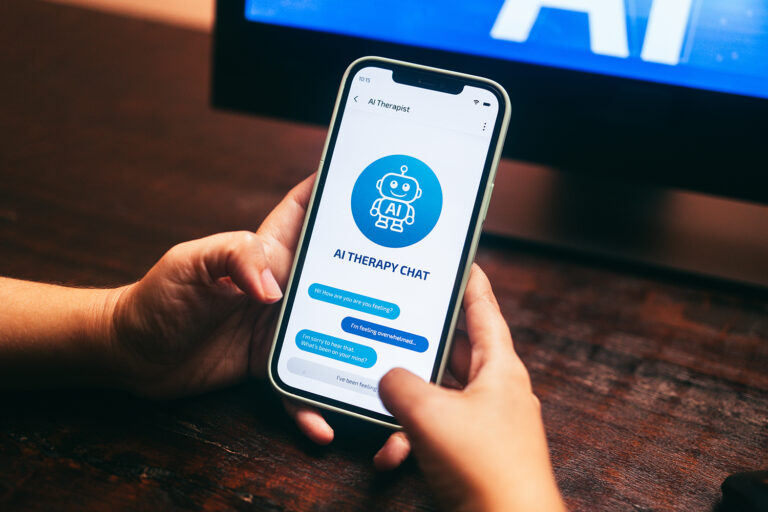
They’re venting to it, asking relationship questions, processing anxiety, looking for validation, organizing thoughts, and trying to feel less alone. At this point, AI has already become part of how many people are navigating emotional distress and self-reflection.
So instead of pretending people won’t use AI this way, I think we need more nuanced conversations about how to use it carefully, thoughtfully, and with a clear understanding of what AI can (and cannot) provide.
In some ways, I think about this similarly to Harm Reduction models used in adolescent substance abuse treatment. Was total abstinence technically the safest option? Of course. But if teenagers were going to drink or smoke anyway, our job became helping them make safer, more informed decisions instead of pretending the behavior wasn’t happening.
I see AI similarly.
Because while AI may offer validation, coping ideas, reflection prompts, or emotional responsiveness, people are beginning to confuse those things with actual therapy. And those distinctions matter more than I think people realize.
AI can provide answers. It can mirror language. It can even sound emotionally attuned at times.
But sounding supportive is not the same thing as providing clinical care, relational insight, emotional attunement, or therapeutic judgment.
And that’s where I think this conversation becomes important.
AI can feel like a relationship, but isn’t one
Obvious, right? But this can become a slippery slope, especially if you’re using AI regularly and the machine is learning how to speak to you because you’re training it over time.
It can start to create a pseudo-connection with you. But a pseudo-connection is not a real connection, and we have to know the difference.
This is especially important for teenagers or people in a vulnerable place, when it may be harder to differentiate between a responsive machine and a real relationship. For example, AI can rattle off a list of coping skills in a crisis. But it is not a relating, feeling human therapist who is attuning to your emotional state or offering targeted guidance based on everything that therapist knows about you and your situation.
AI can validate you, but validation is not the same thing as growth
Real talk here — validation alone is exactly what a crappy therapist does. Nods and yeses you. Feels good in the moment, right? But it does not create real, long-term change or help you break patterns that have kept you stuck for years.
AI can offer reassurance, reflect your thoughts back to you, and even help you feel understood. But it does not know you the way a skilled therapist does. It does not know when you need challenge versus validation in the way a skilled therapist does.
End result: if all we get is validation, we may not learn to see ourselves or our behaviors honestly, which means change takes a long time, if it happens at all.
So if you need a shot of validation that day, AI may have your back. But if you’re looking for honest feedback and perspective so you can get unstuck and finally move forward, you need a real person for that.
AI is an open platform, not a legally protected confidential space
One of the best things about therapy, besides being guided and supported by a trusted human, is that it’s a confidential container that is also legally protected.
Meaning: your therapist is breaking the law if they share something you told them during a session, aside from safety and abuse-related exceptions.
This is not true of AI. AI does not provide the same confidentiality protections offered by therapists to their clients. And while different platforms make lots of assertions about how they protect your data, most of us do not fully know what that means in practice or what it may mean in the future.
So be mindful of what you tell AI when it comes to your mental health. The benefit of receiving a validating response in the moment may not outweigh the cost of putting deeply private experiences into a technology platform.
Want to get off your chest that you’re having an affair, worried you may be addicted to pornography, or needing to process a super vulnerable past trauma? I do not recommend sharing that with AI.
Share that in the confidential space of a therapy session with another trained human who knows how to respond because of their training, not because of an algorithm, and who has a legal duty to keep your information private.
AI provides answers, not real emotional support
Think about it like this: AI is a supportive tool that provides answers. It is not a replacement for professional support of any kind.
For example, AI can tell you three steps to stop a panic attack. But it cannot help you determine the root cause of your panic attacks or how to stop them long term.
It can tell you how to set a boundary with your difficult co-worker. But it cannot help you manage the guilt you feel when they burst into tears right after.
AI can answer, but it cannot attune, attach, or co-regulate with you — all things therapists do to help you actually work through problems.
In fact, after decades of research on therapy outcomes, we know that one of the strongest predictors of treatment success is the strength of the relationship between client and therapist, also known as the Therapeutic Alliance.
It is not just which modality is used, how knowledgeable the therapist is, or how many letters the therapist has behind their name. It is how connected to, heard by, and responded to a client feels with their therapist.
Those experiences cannot be mimicked or replaced by AI.
AI tells us what to do, not why we don’t do it
When it comes to creating real change in our lives, I love using analogies outside of mental health. My clients know this well.
Here’s one: AI can spit out the most well-researched, effective meal plan and workout routine. But it is not there to help you understand why you usually fall off after 10 days, why you always gain the weight back, or why you consistently overeat on Sundays.
And without a real human to help normalize some of that, get to the root causes, and help you implement realistic changes, we end up feeling crappy about ourselves and deciding we cannot change.
When in reality, we are not necessarily crappy at following meal plans or sticking to workout routines. We may have just expected AI to give us something it cannot give us: real human guidance, feedback, and support.
–
In summary, I am not the therapist who hates AI. I just used it to tell me what I’m making for dinner tonight. And I do not believe it is going to replace all therapists.
But I am a therapist who believes we need to teach people how to use it wisely when it comes to mental health.
Because people are already using AI for their mental health.
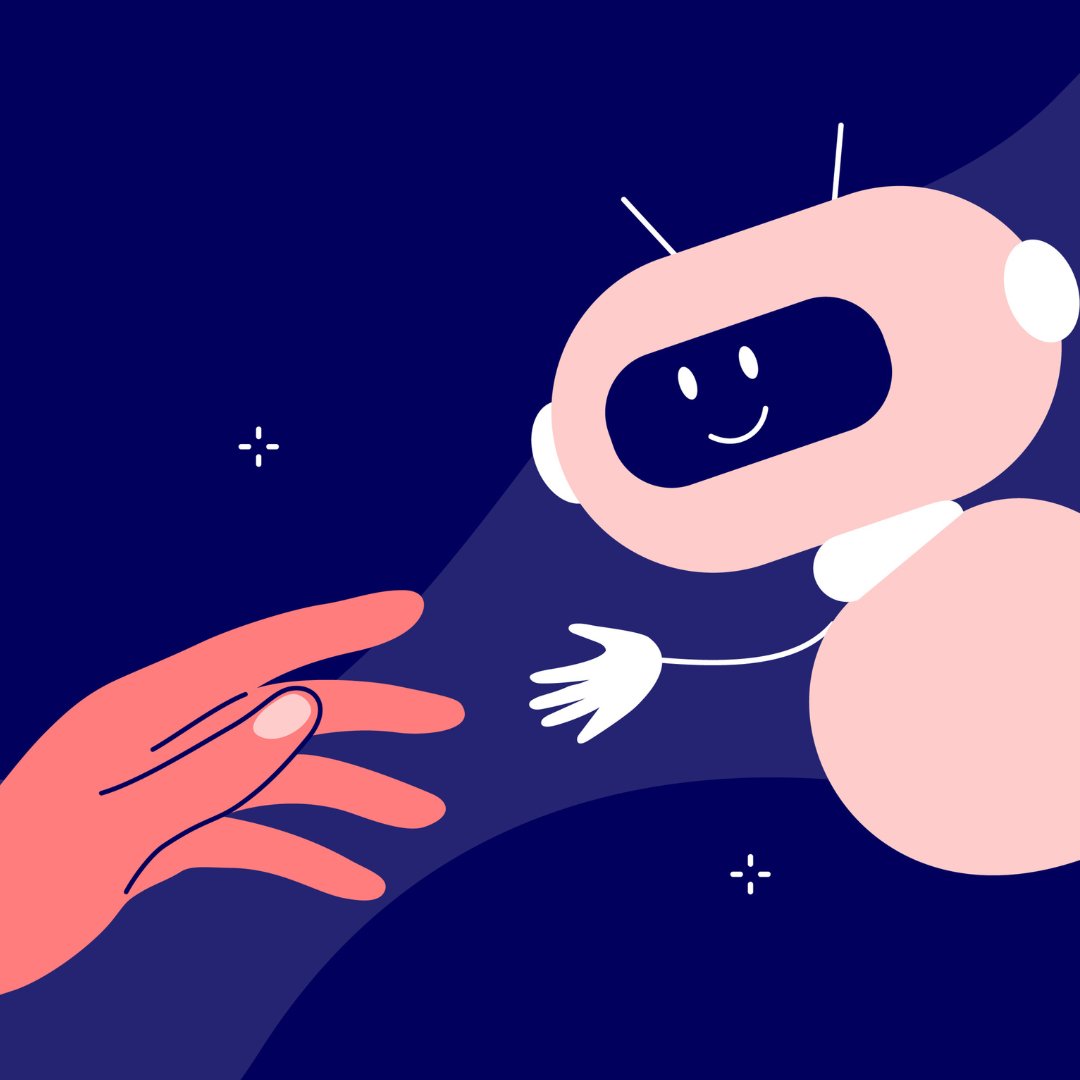
So why not empower people to use it as the tool it is, and not like the real person it isn’t?
Looking for More Than Answers?
AI can be a useful tool for reflection, perspective, and information. But sometimes what we need isn’t another answer; it’s another person.
If you’re navigating something difficult and want a space that’s confidential, supportive, and grounded in real human connection, therapy can help.
If you’re interested in working with us, please contact our Intake Coordinator at 949-236-1990 or intakes@lisaeatontherapy.com, or learn more on our Get Started page.