
Work with an ODD Therapist in California
Oppositional Defiant Disorder (ODD) can be difficult to navigate — for children, teens, and the adults who love them. Families often describe feeling stuck in daily power struggles, frequent conflict, emotional outbursts, and a sense that nothing they try is working.
While it may look like “defiance,” ODD is often connected to emotional dysregulation, anxiety, unmet needs, stress, or difficulty tolerating frustration. With the support of an experienced therapist, it is possible to reduce conflict, strengthen communication, and build healthier patterns at home.
Our practice provides outpatient therapy for individuals and families in Orange County and throughout California via secure telehealth.

Understanding Oppositional Defiant Disorder (ODD)
Oppositional Defiant Disorder is a mental health condition characterized by a consistent pattern of angry or irritable mood, argumentative behavior, and difficulty with authority or rules.
ODD may include patterns such as:
- frequent arguing with parents, teachers, or authority figures
- refusing to comply with requests or expectations
- easily becoming annoyed, frustrated, or reactive
- blaming others for mistakes or behavior
- escalating quickly during conflict
- holding grudges or becoming resentful
ODD exists on a spectrum. Some children show mild symptoms in specific settings, while others experience significant impairment at home, school, or in relationships.
When left untreated, ODD can contribute to ongoing family stress, academic difficulties, and emotional distress for both the child and the family system.
What Contributes to ODD?
There is no single cause of ODD. Research suggests it often develops through a combination of factors, including:
- temperament and nervous system sensitivity
- chronic stress, family conflict, or emotional overwhelm
- neurodivergence (such as ADHD)
- anxiety or depression
- trauma or adverse experiences
- difficulties with emotional regulation and impulse control
Many children who meet criteria for ODD are not “trying to be difficult.” Often, their behavior reflects an internal experience they do not yet have the skills to manage.
Therapy can help identify what is driving the behavior and support meaningful change.
Evidence-Based Treatment for ODD
ODD is treatable with the right support. Treatment is often most effective when it includes both individual work with the child or teen and support for the parent or caregiver.
Therapy for ODD may include:
Cognitive Behavioral Therapy (CBT)
CBT helps children and teens understand the connection between thoughts, emotions, and behavior, and develop healthier ways of responding to frustration, stress, and conflict.
DBT-Informed Skills (Emotional Regulation)
DBT-informed strategies can help build skills in emotional regulation, distress tolerance, and impulse control — especially for kids and teens who escalate quickly.
Parent Support & Family Work
Parents often benefit from guidance around boundaries, consistency, and communication strategies that reduce power struggles and help restore a sense of stability at home.
Trauma-Informed Therapy (When Needed)
For children whose behavior is connected to trauma, therapy may focus on safety, trust, and nervous system stabilization before expecting behavioral change.
Common Questions & Answers from Your ODD Therapist in California
ODD Therapy in California via Telehealth
Our therapists provide online therapy throughout California. Telehealth offers a flexible option for families who:
- have demanding work or school schedules
- live outside of Orange County
- want consistent support without travel time
- prefer therapy from the comfort of home
Telehealth can be especially effective for teens and young adults who feel more comfortable engaging through video sessions.
ODD Therapy with Remy Fang, LCSW, Hannah Pasternak, LCSW, and Sairah Abbasi, LCSW
Our team offers compassionate, structured therapy for pre-teens, adolescents, young adults, and families navigating emotional overwhelm, conflict, and behavioral challenges.

Remy Fang, LCSW
Remy works with pre-teens, adolescents and young adults who feel stuck in cycles of stress, frustration, and self-criticism. She offers a warm, practical approach that helps clients build emotional regulation skills, reduce conflict, and develop tools for navigating school, family dynamics, and life transitions. Remy integrates CBT, DBT, mindfulness, and strengths-based strategies in a way that is collaborative and personalized.

Sairah Abbasi, LCSW
Sairah provides a compassionate, client-centered space for adolescents and families navigating stress, emotional pain, trauma, and relationship conflict. She supports clients in building self-worth, regulating difficult emotions, and creating healthier patterns in their lives. Sairah draws from CBT, DBT, EMDR, ACT, and mindfulness-based approaches, and works collaboratively to help clients feel more grounded, empowered, and supported.
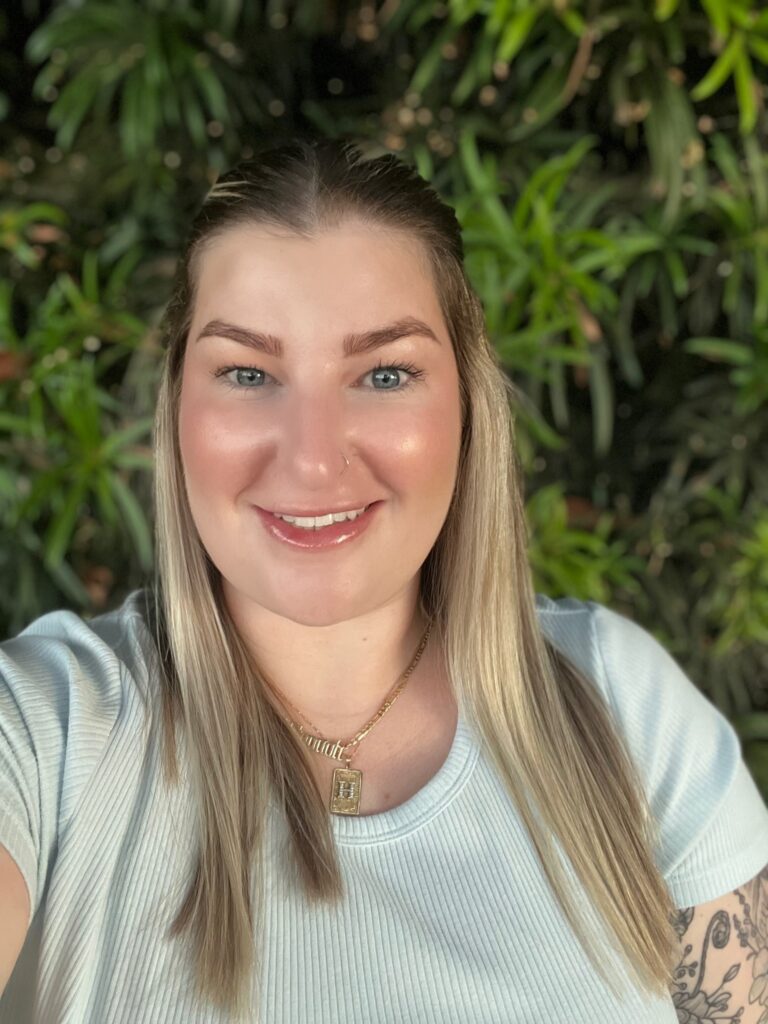
Hannah Pasternak, LCSW
Hannah supports pre-teens, adolescents, and adults who feel overwhelmed, emotionally reactive, or stuck in patterns that feel difficult to shift. She brings a grounded, holistic approach to therapy and helps clients build insight, emotional resilience, and healthier relationship dynamics. Hannah integrates evidence-based modalities such as CBT, DBT, EMDR, and mindfulness, and she also has experience supporting first responders and clients navigating high-stress environments.
Get Started with ODD Therapy
Seeking support for ODD can feel like a big step — especially when you’ve been carrying stress, conflict, and uncertainty for a long time.
If you’re ready to explore therapy, you can begin by contacting our Intake Coordinator, who will guide you through next steps and scheduling.