
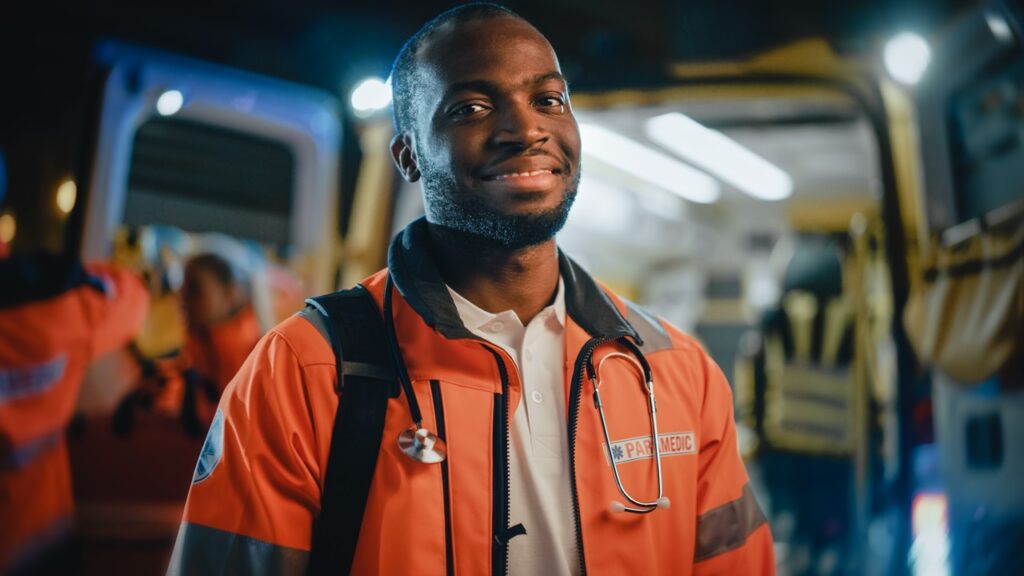
First Responder Counseling in California
Are you a California first responder? We offer specialized first responder counseling tailored to help those in high-stress roles. Your first responder therapy sessions will focus on helping you manage the challenges that come with your vital work. Every day, you help others and keep the community safe—now it’s time to take care of yourself as well. Let us help you navigate stress and reclaim your well-being.
Our First Responder Counselor Helps:
- Law enforcement officers
- Firefighters
- EMTs
- ER nurses
- Dispatchers
- Search and rescue teams
- Correctional officers
- Crisis intervention teams
- Lifeguards
- Disaster response volunteers
- Military emergency responders
- Wildfire emergency responders
The Unique Challenges That First Responders Face
Day after day, the first responders in our community go out to face challenges that push them to their physical and emotional limits. Despite that, they continue to show up. Their work is essential, but constant high-stress situations can do a number on their well-being. Because of the ongoing demands of their roles, many first responders find themselves in a state of heightened alert. Over time, this can lead to a myriad of symptoms from disrupted sleep, burnout, relationship conflicts, and difficulty regulating emotion, to trauma-related conditions like PTSD. If this feels familiar, please remember you’re not alone, and help is available.
Therapy for First Responders Makes the Difference
Javi’s Story
Javi became a paramedic because he wasn’t squeamish and felt he could handle the pressure. The first few years gave him a deep sense of purpose—he was helping people when they needed it most. But now, after years on the job, he finds himself struggling with constant stress and sleepless nights. His therapist helped him unpack the toll of what he’d witnessed and taught him ways to manage his stress, rebuilding his resilience and restoring his sense of control.
Matt’s Story
Since he was a kid, Matt dreamed of being a police officer, serving and protecting his community. He can’t picture himself in any other line of work. But one night, he was the first on the scene of a robbery that turned violent. Shots were fired, and although he wasn’t hit, the experience left a lasting emotional mark. Now, Matt struggles with PTSD. He often relives that night through flashbacks. Matt has begun to process the trauma through EMDR. With his therapist’s guidance, he is reclaiming his sense of safety.
Jamie’s Story
Jamie, an ER doctor, used to be able to leave the job at the door, but over time, the intensity followed them home. The stress and emotional weight built up and strained their relationship with their partner, who noticed Jamie becoming more distant. In therapy, Jamie learned how to set boundaries between work and home life, process their experiences, and reconnect with their partner. Gradually, they found balance, feeling more present both at work and at home.
Signs You May Benefit From First Responder Counseling
You don’t need to be in crisis to seek help. Many first responders reach out when they notice:
- Trouble sleeping or relaxing
- Feeling constantly “on edge”
- Increased irritability or emotional numbness
- Difficulty turning off work thoughts
- Drinking more than usual
- Pulling away from loved ones
- Loss of interest in things you used to enjoy
- Feeling guilt, shame, or grief after calls
- Persistent memories or images you can’t shake
If any of these resonate, support is available.
Meet Your First Responder Therapist, Hannah Pasternak, LCSW

Hannah Pasternak understands and empathizes with the demands first responders face in their line of work. She creates a safe, non-judgmental environment for her clients to explore their stress responses, process the trauma they’ve faced in their work, and build resilience to move forward. With a strengths-based approach, she utilizes CBT, DBT, EMDR, and mindfulness. Everyone has their own life experiences and moves forward in their own way…so her approach is holistic and highly personalized. Together, you’ll work toward building tools that support your well-being, both on and off the job.
Why Specialized Support Matters
First responders face experiences that most people can’t imagine. The culture, the expectations, the unspoken pressure to be calm in chaos—it all shapes how you process stress. Working with a therapist who understands this world helps you avoid having to explain or justify your reactions. You can get straight to the support you need.
Looking to start first responder counseling? Contact our Intake Coordinator today or visit our Get Started Page to learn more.